

Blog
9 Creative Ways to Layer Scents for a Personalized Fragrance
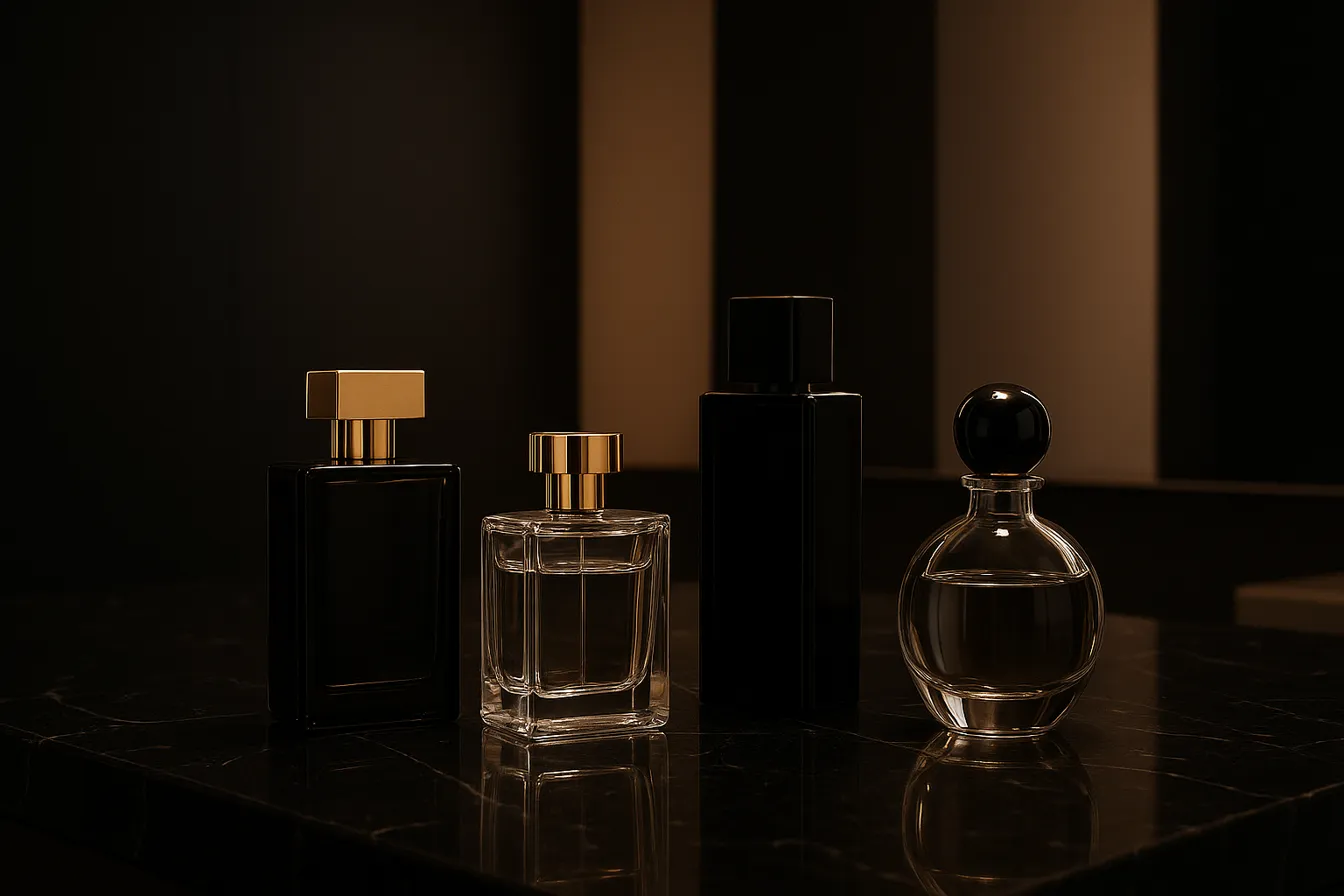
Unlock the Secrets of Personalized Fragrance Layering
What is Fragrance Layering?
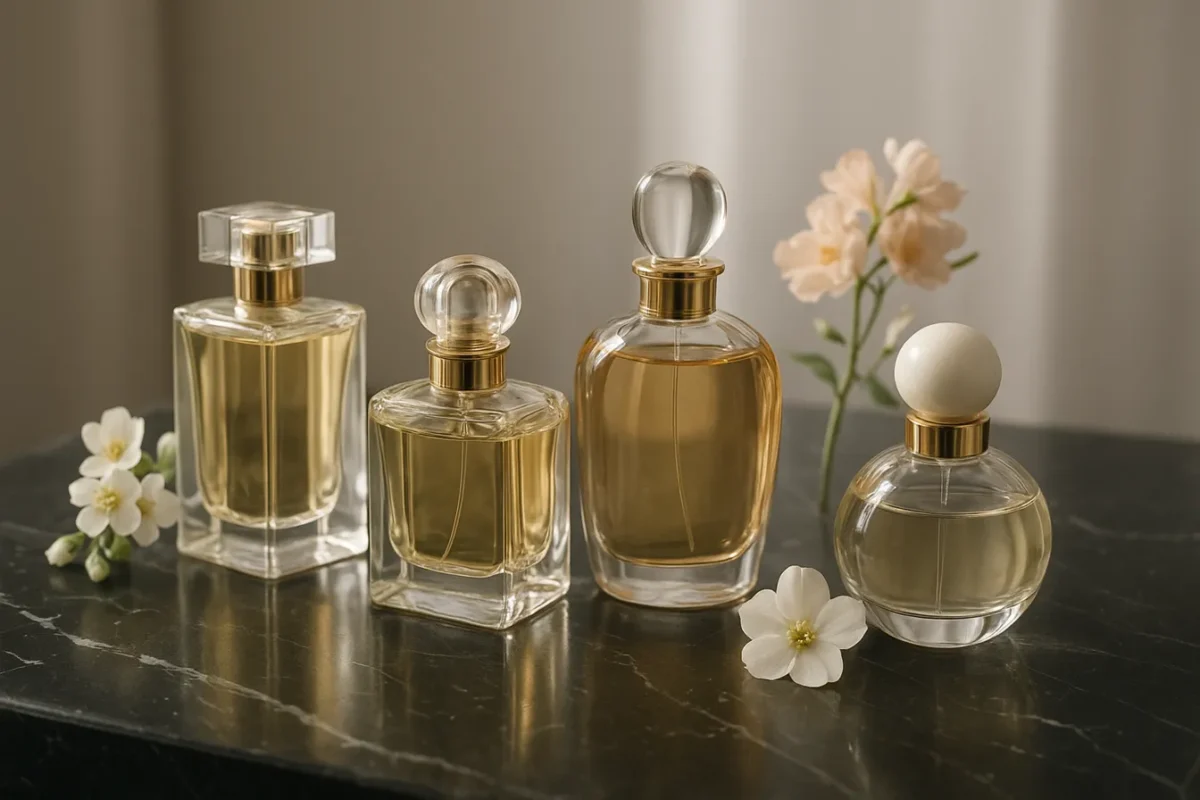
Fragrance layering is the art of combining two or more scents to create a unique, personalized signature fragrance. This technique allows you to express your individuality by mixing fragrances that complement each other, resulting in a scent that is both distinctive and harmonious.
Benefits of Creating a Signature Scent
Developing your own scent through layering enhances longevity compared to single perfumes, especially in climates like Pakistan’s where heat and humidity can cause fragrances to dissipate quickly. It also offers flexibility for different occasions, from office wear to special events, by adjusting the scent combinations and their intensity.
Effective Layering Techniques
Start with heavier, long-lasting base fragrance elements like oils or creams (e.g., vanilla, musk, oud). Follow with a balancing middle layer and finish with lighter sprays such as EDTs or body mists. Applying on pulse points and using moisturizers with complementary notes boosts scent retention. Testing combinations directly on your skin helps ensure a pleasing and well-balanced result.
Embracing these techniques lets you enjoy creating a personalized, long-lasting fragrance that suits your style and environment.
Key Facts on Fragrance Layering Strategies
- Base oils like oud, vanilla, and musk create a long-lasting, resilient foundation suitable for hot and humid climates.
- Layering scents from the same fragrance family (floral, woody, oriental, citrus) helps to maintain harmony and balance in your perfume blends.
- Applying moisturizers with similar notes enhances fragrance adherence and prolongs scent longevity on the skin.
- Start with heavier concentrations such as oils and lotions, then add lighter sprays to build a well-developed scent profile.
- Adjusting fragrance ratios (like 1:1 or 2:1) allows for customization of scent strength and personal preference.
- Applying perfumes on multiple pulse points (wrists, neck, behind ears) adds depth, complexity, and projection.
- Using Bakhoor smoke adds cultural richness and smoky undertones that enhance scent longevity in hot climates.
- Waiting a few minutes between layering scents helps each layer settle and blend naturally, improving harmony.
- Combining contrasting notes (woody with citrus, floral with oriental) creates unique, dynamic fragrances that reflect individual style.
- experimentation with ratios and contrasting notes promotes personal expression and customization in fragrance layering.
1. Start with Base Oils Like Oud, Vanilla, or Musk
Using Rich, Long-Lasting Oils as a Foundation
Base oils such as oud, vanilla, and musk form the rich, enduring foundation needed for effective fragrance layering. Due to their slow evaporation rate, these oils create a strong, persistent scent base that extends the overall longevity of your layered fragrance.
Recommended Base Scents for Lasting Fragrance in Warm Climates
In countries like Pakistan with hot and humid weather, these oils are particularly beneficial. Oud’s smoky depth, vanilla’s sweet warmth, and musk’s sensual richness hold up well against heat, allowing the fragrance layers to stay vibrant and noticeable throughout the day. For more on long-lasting scents in Pakistani weather, see the expert tips available.
Benefits of Oils in Pakistani Weather Conditions
Applying base oils first also enhances fragrance adherence to the skin. Their moisturizing properties keep scent molecules locked in, preventing rapid dissipation common in warm climates. Additionally, applying alcohol-free perfume oils reduce irritation and offer prolonged scent retention, making them ideal for everyday wear in Pakistan’s climate.
2. Layer Scents Within the Same Fragrance Family for Harmony
Choosing Scents from Floral, Woody, Oriental, or Citrus Families
When layering perfumes, selecting scents from the same fragrance family helps maintain clarity and harmony. Common families include floral, woody, oriental, and citrus, each bringing distinct characteristics that blend smoothly when combined.
Creating Harmonious Blends by Sticking to Similar Notes
Layering fragrances that share similar notes reduces the risk of clashing scents. For example, combining soft florals like jasmine and rose or warm woody scents such as sandalwood and cedar results in a balanced, cohesive aroma.
Examples of Compatible Fragrance Family Combinations
- Floral + Light Floral: Rose with lavender or peony creates an elegant, fresh bouquet.
- Woody + Oriental: Oud paired with musk provides a rich, enduring profile.
- Citrus + Citrus: Combining lemon and bergamot yields a vibrant, uplifting scent.
Choosing scents from the same family encourages a seamless fragrance layering experience perfect for crafting personalized and memorable fragrances.
3. Use Moisturizers with Complementary Notes to Enhance Longevity
How does applying moisturizers affect perfume longevity?
Applying moisturizers, whether scented or unscented, before putting on perfume is a simple yet effective way to extend the life of your fragrance. Moisturizers hydrate the skin, creating a smooth, nourished base that helps lock in the scent and prevents it from evaporating quickly. For more on using moisturizers with similar notes and their impact, see this expert guide.
Why do moisturizers boost fragrance duration and projection?
Moisturized skin retains fragrance oils better than dry skin, which causes perfumes to last longer and project more effectively. This is especially important in warmer climates like Pakistan’s, where heat can cause scents to fade faster. Explore tips on scent retention in hot climates and heat-resistant perfumes for Pakistan for tailored advice.
How to match moisturizer notes with perfume for better harmony?
For optimal scent harmony, use moisturizers that share similar fragrance families or notes with your perfume, such as woody, floral, or oriental. This approach enhances the overall layered fragrance, making it richer and more seamless without overpowering individual notes. Learn more about fragrance families: woody, floral, oriental, citrus and fragrance layering techniques to create personalized blends.
By incorporating a matching moisturizer into your routine, you ensure your perfume remains vibrant and enjoyable throughout the day, making fragrance layering even more effective and personalized.
4. Combine Heavier Concentrations First, Then Add Lighter Sprays
Layering from Heavier to Lighter Products
When creating a signature scent through layering, start with heavier fragrance concentrations such as oils and lotions. These heavier products serve as a strong foundation, anchoring your scent and enhancing longevity.
Ordering Application of Oils, Lotions, then Eau de Toilette or Body Sprays
Begin by applying alcohol-free perfume oils or scented lotions on pulse points like wrists and neck. After allowing these to absorb for a few minutes, lightly mist lighter products such as Eau de Toilette or body sprays. This technique ensures the lighter sprays complement rather than overpower the base layers.
Ensuring Scent Development and Better Longevity
By layering in this order, each fragrance note has the opportunity to unfold naturally over time. The heavy base lingers while the lighter scents add freshness and complexity, resulting in a well-rounded, long-lasting fragrance that adapts beautifully throughout the day.
5. Experiment with Ratio Adjustments to Customize Your Scent
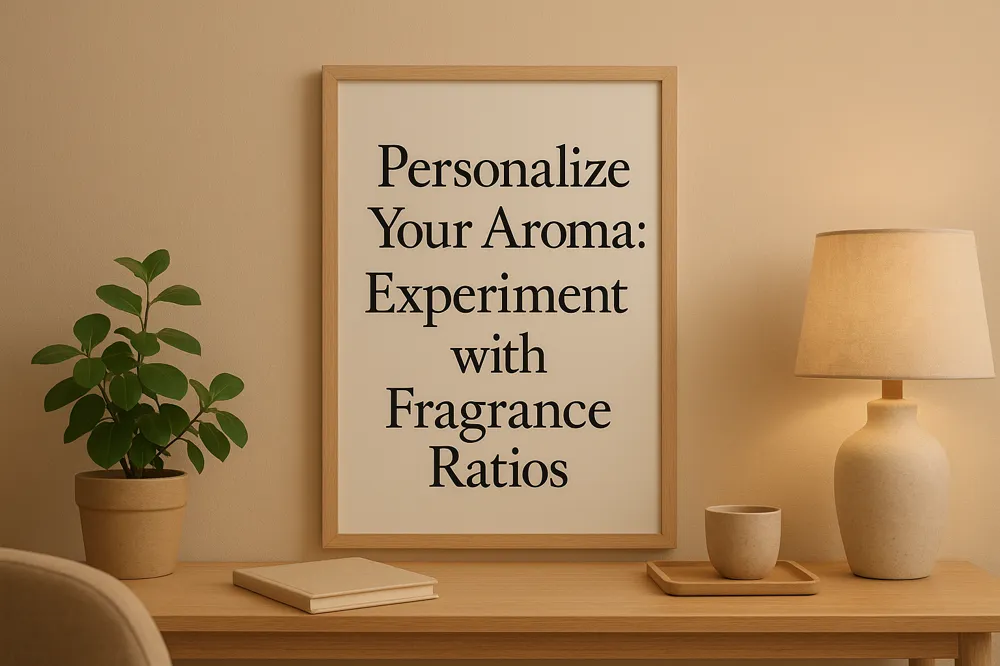
Balancing scent strength by varying quantities
When fragrance layering, adjusting the amount of each scent you apply is crucial to achieving a balanced, harmonious aroma. Too much of one perfume can overpower the other, while too little may not contribute effectively to the blend. Starting with small amounts allows you to gauge how the fragrances interact on your skin before deciding on the perfect balance.
Using 1:1 or other ratios to tailor the fragrance
Many enthusiasts begin fragrance layering with a simple 1:1 ratio, applying equal parts of two scents to create a balanced mix. However, don’t hesitate to experiment with different ratios—such as 2:1 or 1:3—to emphasize certain notes or achieve your desired intensity. Each adjustment can significantly alter the final scent, providing endless fragrance ratio customization options.
Personalizing scent intensity through controlled layering
Personalizing your fragrance’s strength involves applying layers mindfully—starting with a heavier base, followed by lighter top notes—and adjusting the quantity of each. This approach, combined with waiting a few minutes between applications, helps the scents meld naturally, enhancing longevity and style. By carefully controlling how much fragrance you use at each layer, you create a personalized fragrance creation tailored to your preferences and suited to Pakistan’s climate, ensuring your perfume stays vibrant throughout the day.
6. Apply Fragrances on Different Pulse Points for Complexity

Why Use Pulse Points for Fragrance Application?
Pulse points are areas on the body where the blood vessels are closest to the skin, generating more heat that can intensify and diffuse fragrances. Applying perfumes on pulse points like the wrists, neck, and behind the ears allows the scent to develop fully and naturally mingle with your skin chemistry. Learn more about How to layer fragrances.
Which Pulse Points Are Best?
- Wrists: Often used for initial fragrance application because they are easily accessible and warm.
- Neck: Fragrance applied here rises naturally, enhancing scent projection.
- Behind the Ears: This discreet spot captures subtle scents that linger closely.
How Does This Add Complexity?
Spraying layered fragrances on multiple pulse points encourages the scents to blend and evolve uniquely throughout the day. This method adds depth and dimension, creating a complex and more personalized aroma experience. Explore Fragrance layering techniques and Art of Fragrance Layering.
Tips for Application
- Apply heavier base notes on pulse points like the wrists first.
- Wait a few minutes before adding lighter notes on other points.
- Use moisturizers on these areas before applying scent to improve longevity.
Using these targeted spots for fragrance application not only improves lasting power but also enhances your signature layered scent’s sophistication and presence. For more detailed Fragrance layering tips and guidance on Personalized fragrance creation, visit the provided resources.
7. Add a Cultural Touch by Using Bakhoor Smoke for Layering
Utilizing Bakhoor Smoke to Scent Hair and Clothes
Bakhoor, a traditional incense made from wood chips soaked in fragrant oils, is widely used in Middle Eastern cultures to scent hair, clothes, and living spaces. When used alongside perfumes, it adds a warm, rich aroma that deepens the complexity of your fragrance profile. Learn more about Middle Eastern fragrance practices and how Bakhoor smoke enhances fragrance layering techniques.
Enhancing Perfume Longevity with Traditional Middle Eastern Practices
Applying Bakhoor smoke helps perfume notes linger longer by embedding warm, smoky undertones into fabric and hair strands. This method is especially effective in hot climates like Pakistan’s, where heat and humidity can cause fragrances to fade quickly. For tips on scent retention in hot climates and choosing heat-resistant perfumes for Pakistan, explore these helpful guides.
Cultural Influence on Fragrance Layering in Pakistan
In Pakistan, the influence of Middle Eastern traditions like using Bakhoor enhances the art of fragrance layering. Combining this practice with modern perfumes creates a unique, personalized fragrance creation experience that honors cultural heritage while embracing contemporary fragrance trends. Discover more on creating your unique signature scent through fragrance layering tips and custom scent creation.
8. Wait Between Layers to Let Scents Settle and Mingling Occur
Allowing Each Layer to Develop Before Applying the Next
When layering fragrances, it’s important to wait a few minutes between each application. This pause lets the initial scent absorb and settle into your skin, forming a stable base. Waiting ensures the fragrances meld smoothly, preventing them from clashing or becoming overpowering.
Benefits of Patience in Achieving a Balanced Scent
Patience enhances the harmony of your layered perfume. Allowing time for each fragrance to reveal its true character helps you gauge the balance of notes. This process enables the top, heart, and base notes to harmonize beautifully, resulting in a well-rounded and lasting signature scent.
Technique for Testing Combinations on Skin
Always test your chosen combinations on skin rather than paper strips. Apply the first scent on a pulse point, wait about five minutes, then add the next layer. Observing how the scents evolve over time on your skin’s warmth and chemistry helps you refine and perfect your unique blend.
9. Play with Contrasting Notes to Create Unique Fragrance Profiles

Mixing complementary or contrasting notes for uniqueness
Combining contrasting fragrance notes is a captivating way to create a truly unique and personalized fragrance creation. When fragrance layering , mixing elements from different scent families—such as woody with citrus or floral with oriental—adds complexity and depth to your fragrance profile. Unlike layering similar notes, which creates harmony, contrasting notes introduce an intriguing dynamic that can make your create a signature scent stand out.
Examples like woody with citrus or floral with oriental
For instance, a warm and earthy woody base paired with fresh, zesty citrus top notes delivers a vibrant blend that balances richness with brightness. Similarly, combining delicate floral heart notes with deep, spicy oriental bases creates an exotic and alluring fragrance. These pairings highlight each fragrance’s distinctive qualities while complementing each other in unexpected ways, demonstrating expert Fragrance layering techniques.
Encouragement to experiment for personal expression
Experimenting with fragrance layers allows you to express your personality through fragrance. Start with small amounts and observe how each layer interacts on your skin, adjusting ratios to suit your taste. This creative process transforms How to layer fragrances, enabling you to craft a custom scent creation that reflects your individual style and mood uniquely and memorably.
Celebrate Your Signature Scent Journey with Confidence
The Benefits of Layering Fragrances
Layering perfumes allows you to craft a unique scent that truly reflects your personality. By combining different notes, you enhance fragrance longevity and create a complex, intriguing aroma that stands out.
Embrace Experimentation
Don’t hesitate to explore various combinations. Try starting with heavier base oils like oud or musk, followed by lighter floral or citrus top layers. Testing on your skin helps discover what works best with your natural chemistry.
Your Personal Fragrance Power
Creating a signature scent empowers your style and boosts confidence. Enjoy the creative process of blending fragrances that suit different occasions, climates, and moods, making luxury accessible and fun.
Related Posts
How to Choose Trendy Perfumes for Summer 2024
-
Posted by
skscentsofficial@gmail.com
Unique and Affordable Perfume Brands You Should Know
-
Posted by
Romantic Perfume Picks for Date Nights
-
Posted by
The Emotional Impact of Different Scents and Aromas
-
Posted by
The Fascinating History and Evolution of Perfumes Through the Ages
-
Posted by
The Best Spots on Your Body to Apply Perfume for Maximum Effect
-
Posted by
Creative Perfume Gift Sets to Impress Your Loved Ones
-
Posted by
How to Mix Fragrances Without Overpowering Them
-
Posted by
Exploring Atlanta’s modern homes
-
Posted by
Green interior design inspiration
-
Posted by

Reinterprets the classic bookshelf
-
Posted by
The big design: Wall likes pictures
-
Posted by