

Blog
How to Mix Fragrances Without Overpowering Them
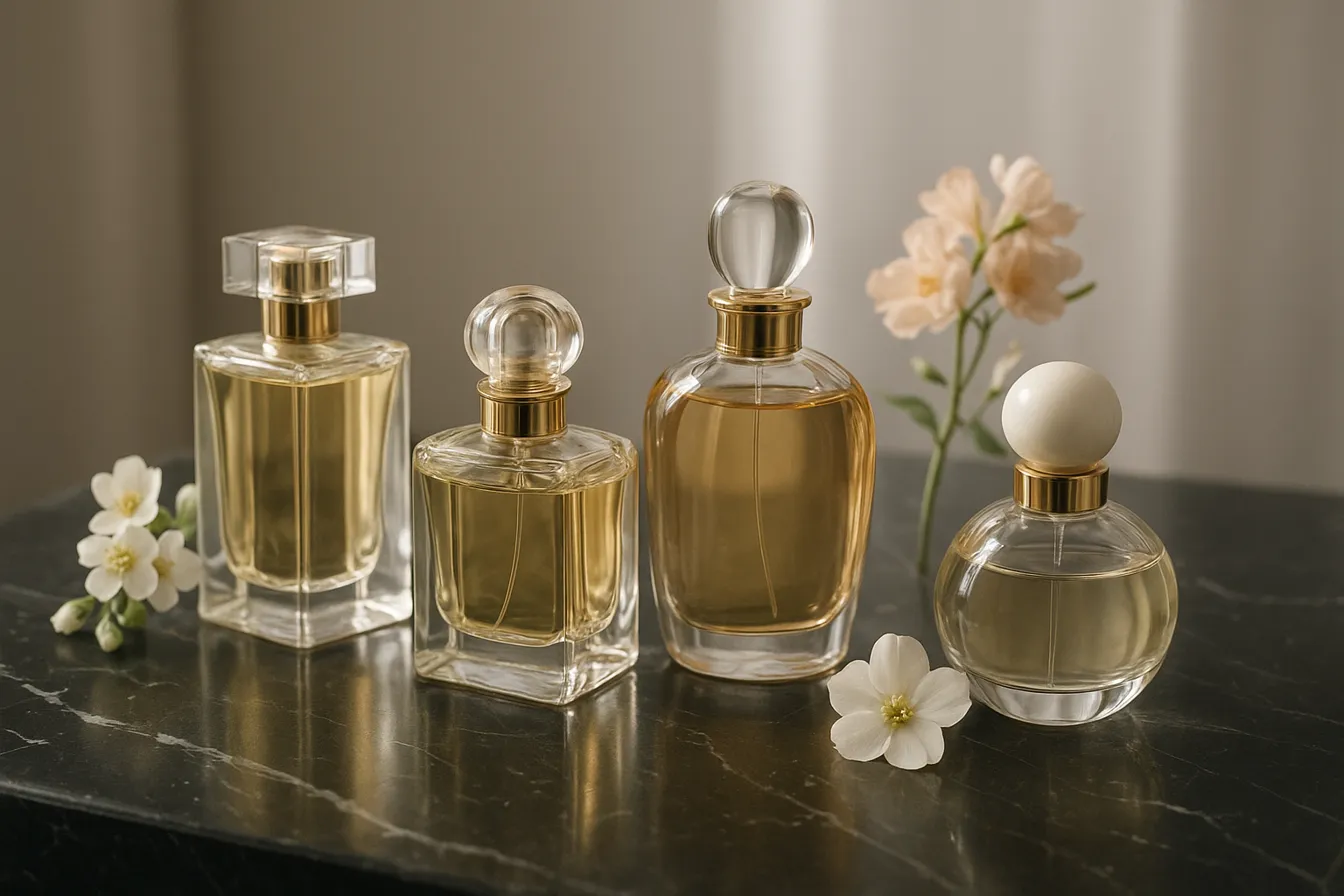
Understanding the Basics of Fragrance Blending
The Art of Fragrance Layering
Fragrance layering is akin to becoming your own scent mixologist, where combining different perfumes transforms your fragrance experience. This art allows enthusiasts to create bespoke scents that reflect their personality and style.
Knowing Scent Notes and Accords
A deep understanding of scent notes—top, middle, and base—and how they harmonize into accords is essential. Starting with heavier, intense base notes such as woody or gourmand scents, then layering lighter floral or fruity notes, ensures a balanced and sophisticated aroma.
Creating Unique Signature Scents
By experimenting with complementary or contrasting fragrances, you can craft a truly unique signature scent. Blending within or across scent categories uses knowledge and creativity, making perfume layering a personal and enjoyable journey for fragrance lovers.
Starting With Heavy Notes and Progressing to Lighter Scents
Why heavier or more intense fragrances are applied first
Heavier fragrances are typically applied first because their rich and dense scent profiles form a strong base that lasts longer on the skin. Applying intense notes initially allows them to settle properly without being overshadowed by lighter scents. This approach prevents the lighter fragrances from evaporating too quickly and stops them from overpowering the deeper notes. Learn more about Applying intense fragrances first.
Examples of heavy notes like woody, gourmand, and patchouli
Heavy fragrance notes often include woody scents like sandalwood and cedar, gourmand notes reminiscent of edible treats like vanilla and caramel, and earthy patchouli. These create a substantial foundation that anchors a perfume’s overall character. Explore Layering woody and gourmand notes.
How layering lighter scents like floral and fruity creates balance
After establishing the base with heavy notes, lighter scents such as floral (jasmine, rose) and fruity (citrus, berry) are layered to add freshness and brightness. This sequence introduces complexity and dimension without overwhelming the wearer, resulting in a well-rounded fragrance that evolves pleasingly over time. See tips on Fragrance layering techniques and Fragrance blending tips.
Techniques to avoid overpowering by sequencing scents properly
To avoid overpowering, start with the most intense scents, allow each layer to dry slightly before applying the next, and moisturize the skin beforehand with compatible lotions or oils. Testing blends on scent strips before skin application helps achieve the right balance. Proper sequencing ensures each note complements rather than competes with the others, creating a harmonious and personalized scent experience. Find out more about Using body lotions to extend scent, Testing perfumes on paper strips, and fragrance oil blending guide.
Using Tools and Testing Methods for Precise Blending
Role of Paper Strips and Scent Blotters in Testing Blends
Paper strips and scent blotters are essential in the initial stages of fragrance blending. They allow enthusiasts to sample and evaluate scent combinations without committing to skin application, which can alter the perception of notes due to body chemistry. Testing on strips helps avoid overpowering blends and lets one assess the harmony between various accords before proceeding. Learn more about Testing perfumes on paper strips.
Benefits of Blending Kits Including Droppers, Funnels, and Refillable Bottles
Blending kits simplify the process of mixing fragrances safely and effectively. Droppers enable precise control over the amount of each scent oil added, while funnels help transfer blended liquids to bottles without spillage. Refillable bottles offer convenient storage for custom blends, allowing users to carry and reapply their unique fragrances with ease. For details, see Blending kit tools and Refillable perfume bottles.
Importance of Measuring Tools Like Digital Scales for Accuracy
Accurate measurement plays a crucial role in replicating and refining fragrance blends. Digital scales provide precise weight measurements of fragrance oils, ensuring consistency between batches. This accuracy prevents imbalances that could lead to overpowering or weak scents, making the creative process more reliable. Explore more about fragrance oil blending guide and using precise blending tools.
Recording Blend Recipes for Future Replication and Refinement
Keeping detailed records of fragrance blends is a valuable practice for any perfumer. Documentation aids in recreating successful combinations and refining less favorable ones. Notes on scent proportions, order of layering, and even environmental factors during testing help build a personalized blending system that grows with experience. For tips, check recording fragrance blends and fragrance blending tips.
Incorporating Fragrance Families to Enhance Complementarity
Categories of fragrances: Universal, Fragrant Heart, and Base Accents
Perfumes can be categorized into three main fragrance families: Universal fragrance category, Fragrant Heart scents, and Base Accents in perfumery. The Universal category includes light and fresh scents like citrus, fruity, water, and green notes. Fragrant Heart scents comprise edible, vanilla, floral, and spice aromas that form the core of many perfumes. Base Accents involve deeper, richer notes such as incense, leather, tobacco, woody, earthy, and herbal aromas.
How blending within the same category or across categories affects the scent
Blending fragrances from the same category often results in a smooth and cohesive scent profile, as the notes naturally complement each other. Meanwhile, combining scents across different categories allows the creation of a personalized signature scent by balancing contrasting elements—for instance, adding the depth of woody base notes to the lightness of citrus top notes.
Tips for experimenting with complementary or contrasting notes
To achieve the best blend, start by applying intense fragrances first, such as those from the Base Accents, then follow with lighter scents from the Universal or Fragrant Heart categories. Testing fragrance combinations on blotter strips before applying on skin helps ensure the blend is harmonious—this is part of Perfume layering techniques. Using moisturizing body lotions or oils with matching scents can also help prolong the fragrance’s longevity—learn more about using body lotions to extend scent.
Examples of combining citrus with floral or woody with vanilla for harmony
For a refreshing and balanced blend, try combining citrus notes from the Universal family with floral scents in the Fragrant Heart category. Alternatively, pairing woody base notes with warm vanilla from the Fragrant Heart can create a rich and harmonious aroma that lasts longer throughout the day. Such thoughtful blending elevates your perfume experience and provides a unique signature scent.
Using Fixatives and Moisturizers to Prolong and Balance Scents
What role do fixatives like vanilla and amber play in scent longevity?
Fixatives such as vanilla and amber are essential in fragrance layering as an art form because they slow down the evaporation of lighter scent notes. These base notes stabilize the fragrance, allowing it to last longer on the skin and creating a smoother transition from top to base notes. This enhances the overall durability and depth of the scent.
How does moisturizing the skin with matching body lotions or oils benefit the perfume?
Applying body lotions or oils that complement your perfume helps to lock in scent molecules, reducing evaporation. Moisturized skin holds fragrance better than dry skin, promoting a longer-lasting effect and richer aroma. This practice also ensures the scent maintains its integrity throughout the day. Learn more about using body lotions to extend scent.
How do fixatives contribute to a harmonious scent journey?
Fixatives anchor the fragrance, blending the top, middle, and base notes into a cohesive scent experience. By providing depth and balance, they prevent abrupt changes and help the perfume evolve gracefully, much like a well-composed melody that unfolds naturally over time. For additional insights, see fragrance blending techniques.
How can evaporation be prevented while maintaining subtlety?
Using fixatives and moisturizers together allows the fragrance to linger gently without overpowering. They help maintain subtlety by controlling evaporation rates, ensuring the scent is noticeable yet not overwhelming. This delicate balance is crucial for creating a personalized and enjoyable fragrance experience. Check out fragrance blending tips.
Emphasizing Experimentation and Personalization in Fragrance Mixing
Encouraging Creativity and Individualized Scent Profiles
Fragrance mixing invites enthusiasts to embrace creativity by personalizing their scent combinations. By experimenting with different scent notes—ranging from layering woody and gourmand notes to floral and fruity—users can craft creating unique scent profiles that reflect their individual style.
Importance of Small Batch Testing for Refinement
Creating scents in small batches allows for careful adjustment and refinement. Testing tiny amounts helps maintain control over the final aroma, preventing overpowering notes and ensuring balanced compositions. Small batch testing aligns with fragrance blending tips and the practice of testing perfumes on paper strips.
Allowing Blends to Mature to Improve Scent Fusion
Patience is essential; allowing fragrance blends to mature over time enhances the fusion of scents. This maturation process deepens the aroma’s complexity and provides a more cohesive fragrance experience, a key aspect highlighted in the fragrance oil blending guide.
Guidelines for Safety and Regulatory Compliance When Using Fragrance Oils
When blending with fragrance oils, following safety protocols is crucial. Using high-quality fragrance oils that comply with IFRA and SDS regulations protects health and guarantees safe usage. Keeping detailed records and ingredient compatibility testing with other ingredients further aids in achieving stable and pleasant fragrances.
Creating Your Signature Scent Without Overpowering
Achieving Balance Through Layering
Layering perfumes is like composing a fragrant symphony where starting with heavier, intense notes such as woody or gourmand foundations sets a rich base. These are then complemented by floral, fruity, or lighter scents to craft a harmonious, well-balanced aroma that won’t overwhelm.
Experiment Mindfully with Precision
Using tools such as scent blotters and blending strips helps test combinations without over-applying on skin. Keep detailed notes of your experiments and control proportions carefully to refine your creation with confidence and clarity.
Embrace Personalization and Creativity
The art of perfume layering allows you to become your own mixologist, mixing contrasting or complementary scents that reflect your unique personality. This process celebrates individuality, encouraging you to create a signature fragrance truly your own.
Related Posts
How to Choose Trendy Perfumes for Summer 2024
-
Posted by
skscentsofficial@gmail.com
9 Creative Ways to Layer Scents for a Personalized Fragrance
-
Posted by
Unique and Affordable Perfume Brands You Should Know
-
Posted by

Romantic Perfume Picks for Date Nights
-
Posted by
The Emotional Impact of Different Scents and Aromas
-
Posted by
The Fascinating History and Evolution of Perfumes Through the Ages
-
Posted by
The Best Spots on Your Body to Apply Perfume for Maximum Effect
-
Posted by
Creative Perfume Gift Sets to Impress Your Loved Ones
-
Posted by
Exploring Atlanta’s modern homes
-
Posted by

Green interior design inspiration
-
Posted by

Reinterprets the classic bookshelf
-
Posted by
The big design: Wall likes pictures
-
Posted by