

Blog
The Fascinating History and Evolution of Perfumes Through the Ages
Introduction to the Enduring Charm of Perfumes
The Cultural and Historical Significance of Perfumes Throughout Human Civilization
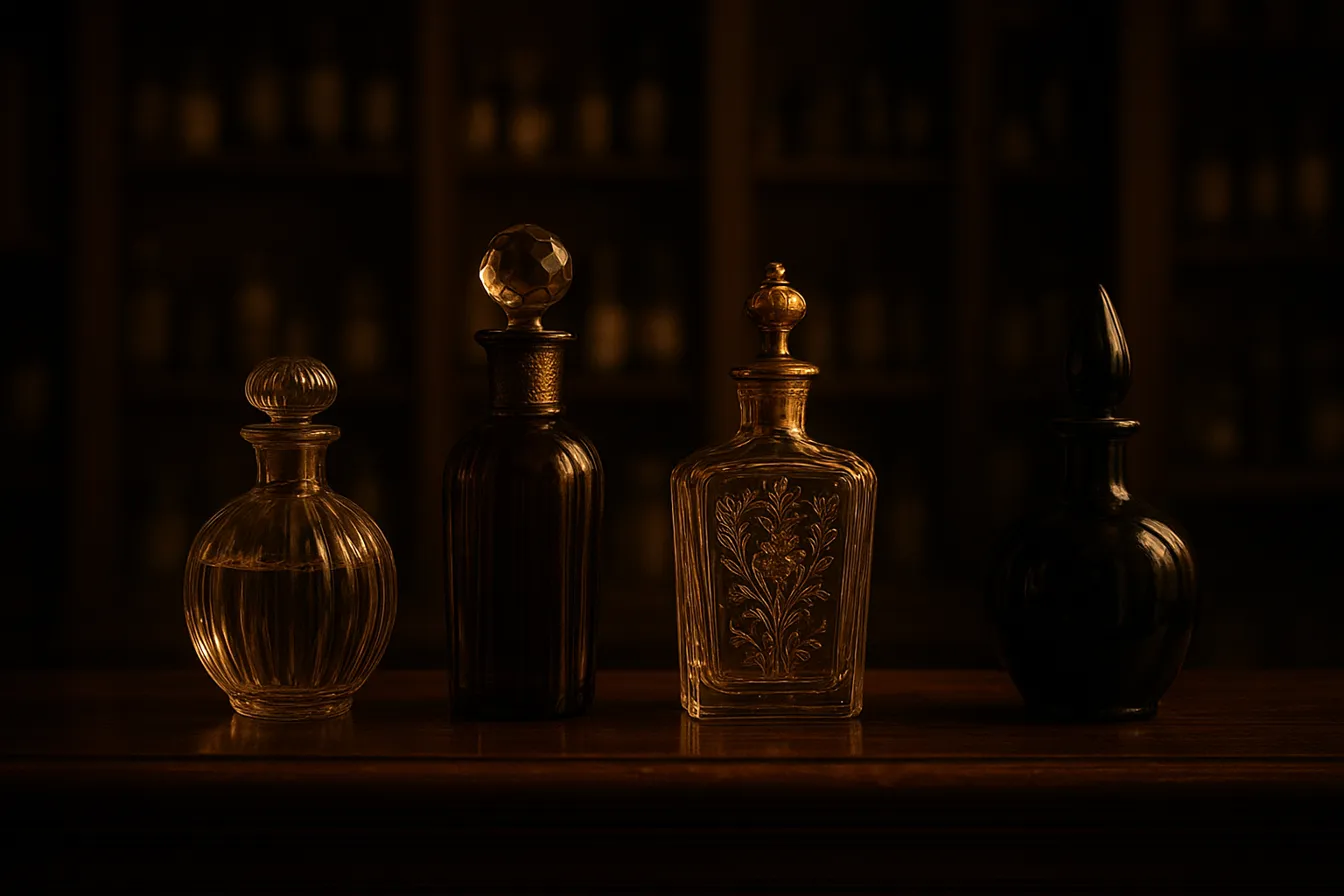
Perfumes have captivated humanity for thousands of years, serving purposes from religious rituals to personal adornment. Ancient civilizations like Egypt, Mesopotamia, Greece, and Rome valued fragrances for communication with deities, social status, and pleasure. The earliest known perfumer, Tapputi of Babylon, pioneered scent extraction techniques around 1200 BCE, illustrating the artistry behind fragrance creation even in ancient times.
Perfumes were integral to royal courts, such as in Renaissance France where King Louis XIV famously requested different scents daily, and the scent culture influenced prominent figures like Cleopatra and Napoleon. These fragrances often embodied wealth, power, and identity, intertwining scent with cultural expression.
The Evolution of Perfumes from Ancient Rituals to Modern Fashion Statements
Throughout history, perfumery evolved from basic natural extracts using oils and herbs to sophisticated techniques involving distillation perfected by Islamic cultures. The advent of synthetic ingredients in the late 19th century revolutionized the perfume industry, enabling novel scent compositions and mass production.
Iconic creations like Chanel No. 5 redefined perfumes as everyday fashion accessories rather than exclusive luxury items. Today, perfumes blend tradition and innovation, offering a wide variety of high-quality, affordable options catering to diverse preferences and occasions. The legacy of perfumes endures as an art form that connects the past with modern style, accessible worldwide including markets like Pakistan through convenient online shopping and fast delivery services.
The Dawn of Perfume: Ancient Civilizations and Sacred Scents
How did ancient civilizations contribute to the origins of perfume?
The origins of perfume trace back to some of the earliest human civilizations, including Mesopotamia, Egypt, India, China, and Persia. These cultures pioneered the use of fragrance mainly for religious rituals, personal adornment, and hygiene.
One of the most notable figures in early perfume development was Tapputi, a female chemist from Mesopotamia around 1200 BCE. She is recognized as the first recorded perfumer, known for inventing basic scent extraction techniques that laid the groundwork for future perfumery.
Ancient Egyptians held perfume in high esteem, using it for spiritual ceremonies as well as for beauty and cleanliness. They produced oils, balms, and ointments utilizing precious ingredients such as frankincense and myrrh, which were harvested for their rich, woody scents and believed healing properties. You can learn more about ancient Egypt and perfumery.
Similarly, Indian culture offered complex scent rituals using aromatic plants like sandalwood and jasmine, integral to religious and medicinal practices. China also contributed by incorporating fragrances into personal care and environmental scenting.
These ancient societies refined early techniques such as maceration—soaking botanicals in fats or oils—and eventually steam distillation, enhancing oil extraction from natural materials. Their experimentation with floral, woody, and resinous substances established perfumery as an art that combined natural ingredients and emerging technologies, helping shape the diverse fragrance traditions we cherish today. For a comprehensive view on these developments, see History of Perfume and Cologne.
Medieval and Renaissance Milestones: Refinements and Royal Patronage
What innovations occurred in perfumery during the Middle Ages and Renaissance?
The Middle Ages marked significant advancements in the art of perfumery, particularly through the contributions of Islamic scholars during the Islamic contributions to perfumery Golden Age. They perfected steam distillation in perfume techniques, which allowed for more efficient and pure extraction of fragrant oils from flowers and other botanicals. This era also saw the introduction of new raw materials such as musk and amber, which enriched the range of scents available to perfumers.
These innovations traveled to Europe primarily via the Crusades and trade routes, spreading knowledge and new ingredients to Italy and France. During the Renaissance, Italy and France emerged as major hubs of perfume production and artistry. Italy’s early perfume traditions paved the way for France, especially the region of Grasse as perfume capital, to become the cornerstone of European perfumery.
Royal patronage played a pivotal role in elevating the status of perfume. Catherine de Medici, an influential Italian noblewoman who became queen of France, brought Italian perfume-making expertise to the French court. Later, King Louis XIV, often called the ‘Sun King,’ dramatically expanded the cultural importance of scent in France by demanding different perfumes daily and fostering the country’s reputation as a perfume capital. The practice of regular fragrance wear was established as a symbol of nobility and refinement.
Perfume also served a pragmatic purpose in pre-modern societies with limited sanitation. It was widely used to mask body odors when bathing was infrequent, making it both a personal hygiene aid and a display of social status. The luxurious and varied fragrances worn by the royalty and aristocracy reinforced perfume’s association with wealth, power, and elegance during this period.
The Rise of Modern Perfumery: Science Meets Art in the 19th Century
How did the 19th century shape modern perfumery?
The 19th century was a defining period for modern perfumery, where science and art merged to revolutionize fragrance creation. This era introduced synthetic chemistry to the perfume world, allowing for the development of new aromatic molecules including coumarin, vanillin, and synthetic musks. These innovations expanded the creative possibilities far beyond natural extracts, paving the way for entirely new scent families such as oriental and fougère (19th century perfume history).
What were some iconic 19th century fragrances and their impact?
Eau de Cologne, originally crafted by Jean-Marie Farina, gained extraordinary popularity in this period. Napoleon Bonaparte was a prominent patron, reportedly consuming vast amounts monthly and custom ordering special bottles known as “the emperor’s roller.” These fragrances symbolized a shift from traditional medicinal uses toward personal expression and luxury. The 19th century also saw the rise of animalic and powerful scents like musk and civet, which influenced fashion and social trends significantly (Napoleon Bonaparte and perfume.
How did perfume manufacturing grow in France, Russia, and other regions?
France emerged as the global center of perfumery during this century, especially the region of Grasse, boasting thousands of manufacturers and workers engaged in large-scale production. Russia also experienced a rapid increase in perfume manufacturing following 1861, with the industry becoming integrated into the Soviet planned economy by the early 20th century. This globalization of perfume production democratized fragrance use beyond the aristocracy (Perfume use in 7000 BC).
How did Napoleon and Josephine influence perfume tastes?
Napoleon’s personal preference for Eau de Cologne helped popularize fresh, citrus-based fragrances among men, while Empress Josephine favored more intense and opulent scents like patchouli, tonka bean, and wood notes. Josephine’s refined tastes helped establish patchouli’s appeal in European perfumery, linked to fashionable textiles like cashmere shawls imported from India and Indonesia (Napoleon and Josephine’s Perfume Influence).
What was the transition from medicinal use to personal and social expression?
Previously considered largely medicinal remedies, perfumes in the 19th century became vital markers of cleanliness, seduction, and social status amid increasing hygiene awareness. Scented soaps, lotions, and eaux de Cologne became everyday products for the middle class, reflecting evolving cultural attitudes toward personal care and presentation (Evolution of perfume in the 19th century.
This significant phase of perfumery shaped the industry into a blend of artistic expression and chemical innovation, laying the foundation for the diverse fragrance market enjoyed worldwide today, including vibrant markets in countries like Pakistan (Perfume in Pakistan).
Iconic Fragrances and Innovations of the Early 20th Century
What were the key fragrance innovations in the early 1900s?
The early 20th century was a transformative period for perfumery, marked by pioneering use of synthetic ingredients and aldehydes that broadened the complexity and longevity of fragrances. One of the most notable breakthroughs was the introduction of Chanel No 5 (1921) landmark aldehydic floral in 1921 by Coco Chanel and perfumer Ernest Beaux. This perfume combined over 80 scents with a high concentration of aldehydes, creating a fresh, abstract floral bouquet that set new standards in both fragrance composition and marketing.
Introduction of classic perfumes such as Chanel No. 5 and Fougere Royale
Just before Chanel No. 5, Fougère Royale (1882) laid important groundwork by being the first fragrance to successfully blend natural essences with synthetics, thereby creating the fougère (fern-like) family of fragrances. Alongside these, perfumes like Jicky (1889) and synthetic ingredients utilized synthetic coumarin and vanillin, lending a modern edge to traditional formulas. Oriental masterpieces such as Shalimar (1925) avant-garde oriental fragrance introduced rich citrus-vanilla accords that influenced many subsequent scents.
Use of aldehydes and synthetics to revolutionize scent profiles
Aldehydes played a crucial role in lifting and redefining floral scents, making fragrances feel lighter, more vibrant, and unique. This allowed perfumers to explore new creative dimensions beyond natural ingredients, giving rise to distinctive fragrance families such as chypre, floral oriental, and fougère.
Influence of art movements like Art Deco on fragrance design
The elegance and boldness of the Art Deco movement inspired designers to infuse perfumes with sophistication and exotic contrasts. Narcisse Noir (1912) art deco elegance exemplified this with its daring juxtaposition of notes, aligning fragrance creation closely with contemporary cultural aesthetics.
Expansion of floral, oriental, and chypre fragrance families
The early 20th century saw expansion in fragrance families, with classics like Quelques Fleurs (1912) lush floral bouquet setting the template for lush floral bouquets enhanced with aldehydes, while Chypre (1917) pioneering mossy fragrance introduced the mossy, bergamot, and labdanum structure, later refined by Guerlain Mitsouko (1919) refined Chypre structure. Oriental scents gained popularity, highlighted by the sensual and rich character of Shalimar.
Role of pioneering perfume houses and designers
Esteemed perfume houses such as Guerlain, Coty, and Chanel were instrumental in spearheading these innovations. Their creative vision, combined with advances in synthetic chemistry, ushered in an era where perfume became a symbol of modernity, luxury, and artistic expression.
| Innovation Aspect | Key Example | Significance |
|---|---|---|
| Synthetic ingredient use | Fougère Royale (1882) | Created fougère family, blending synthetics & naturals |
| Aldehyde introduction | Chanel No. 5 (1921) | Revolutionized floral scents with complexity & freshness |
| Fragrance family expansion | Shalimar (1925) | Popularized oriental fragrances with rich accords |
| Artistic influence | Narcisse Noir (1912) | Embodied Art Deco elegance and contrast |
| Leading perfume houses | Guerlain, Chanel, Coty | Pioneered modern perfumery and marketing |
Global Perfume Traditions: Cultural Influences and Legacy
How have various cultures influenced the global tradition of perfumery?
The art of perfumery reflects the rich heritage of diverse cultures across the world, each contributing unique practices and fragrant ingredients that have shaped the global perfume tradition. South Asia, known for its ancient texts like the Charaka Samhita and Sushruta Samhita, has preserved the traditional making of Ittar—a natural perfume made through distillation involving sandalwood, jasmine, and saffron. These fragrances continue to hold religious and therapeutic significance.
The Middle East, especially regions like Mesopotamia and Persia, played a pioneering role by perfecting steam distillation techniques. Persian perfumers introduced non-oil-based perfumes and prized raw materials such as musk, amber, and roses, which continue to influence modern fragrance compositions. Islamic scholars, such as Ibn Sina (Avicenna), advanced extraction methods that transformed perfumery and chemistry alike.
East Asian cultures, including China and Japan, incorporated fragrances into religious rituals and daily personal scenting. Their perfume practices mainly focused on scenting the environment or objects, employing natural and subtle aromatic ingredients. These traditions underscore the spiritual and cultural importance of fragrance use beyond mere adornment.
Historic trade routes influencing ingredient diversity
Historic trade routes connecting Asia, the Middle East, and Europe greatly enriched perfumery by facilitating the exchange of exotic ingredients like frankincense, myrrh, musk, spices, and rare flowers. This cultural and commercial interchange diversified fragrance styles and raw materials, introducing complexity and variety in perfume creation globally. See more on the History of Perfume.
Social, religious, and therapeutic roles of perfumes worldwide
Throughout history, perfumes served multiple purposes. In religious contexts, scents were used to honor deities and purify spaces. Socially, perfumes symbolized status and identity—royal courts in France and Middle Eastern empires demanded varied fragrances for ceremonies and daily wear. Therapeutically, many cultures believed in the healing properties of aromatic substances, using them to treat wounds and influence mood. For further insights, visit History of Perfume and Cologne.
Persian non-oil based perfumes and South Asian Ittar traditions
Persian perfumery is notable for developing non-oil based perfumes, which contrasted with the heavier oil-based scents common elsewhere. South Asian Ittar making, a tradition maintained for millennia, focuses on natural floral and woody scents distilled without synthetic additives. Both traditions highlight the ingenuity and sustainability in ancient perfume practices that coexist with modern techniques. Explore more about these traditions in History of perfume.
Continuity of ancient practices alongside modern perfumery
Despite technological advances and synthetic innovations in modern perfumery, many ancient traditions persist. Regions like Pakistan continue to celebrate perfume diversity and heritage, offering varieties suited for different occasions through accessible online platforms. This blend of history and innovation keeps the fragrant legacy alive and accessible worldwide. Additional perspectives can be found at Perfume Industry History from Ancient to Modern.
Perfume as a Social and Cultural Symbol Through the Ages
In what ways has perfume served as a social and cultural symbol?
Perfume has historically been a powerful symbol of social status and cultural identity. In civilizations like Ancient Egypt, Greece, and Rome, perfumes signified not just cleanliness but also wealth and divine favor. Royalty, including figures like Cleopatra and Marie Antoinette, chose distinct signature scents such as myrrh, jasmine, rose, and violet to project seduction, elegance, and regal power. Napoleon’s preference for lavender, cinnamon, and patchouli fragrances underscored his masculine strength and influence.
How did notable historical figures influence perfume culture?
Significant personalities used perfume to shape their image and convey messages. Cleopatra’s use of seductive blends helped reinforce her allure. Marie Antoinette’s floral and musk selections highlighted royal luxury. Meanwhile, Coco Chanel revolutionized the cultural meaning of perfume with Chanel No. 5, symbolizing timeless sophistication and accessible luxury. These scents have transcended their era, inspiring fragrance traditions worldwide.
What roles did perfume play in ceremonies, politics, and fashion?
Perfumes were integral to religious rituals, political symbolism, and fashion statements. In ancient and medieval times, scented oils and incense were used in worship and embalming, affirming spiritual significance (History of Perfume and Cologne. European courts, especially in France, maintained elaborate perfume schedules to display power and refinement (French Royal Courts and Perfume. Over time, perfumes masked odors in times before modern hygiene and evolved into fashion accessories highlighting personality and style, reinforcing social norms and class distinctions.
How has the function of perfume changed from ancient to modern times?
Initially employed in sacred ceremonies and burial practices, perfume’s role shifted through history. The Middle Ages and Renaissance expanded its use to social and political arenas (Perfume and Cultural Values. By the 20th century, thanks to innovations in chemistry and marketing, perfumes became everyday essentials for self-expression and mood enhancement. Brands like Estée Lauder made fragrance wearing common, changing it from a privileged luxury to accessible daily wear.
What is the connection between scent, emotion, and memory?
Modern research reveals perfume’s profound impact on emotions and memory through its link to the brain’s limbic system. Smells can evoke deep emotional responses and vivid recollections, enriching perfume’s cultural significance (history of perfumery). This neurological connection helps explain why fragrance remains a personal and powerful form of communication and expression across cultures.
The Future of Perfume: Innovation, Sustainability, and Personalization
What trends and innovations are shaping the future of perfumery?
The future of perfume is being transformed by cutting-edge technological innovations in fragrance and a profound shift toward sustainability and personalization. Extraction methods such as aqueous and ultrasonic techniques offer more efficient and eco-friendly processes for harvesting essential oils, reducing environmental impact while preserving fragrance quality.
Synthetic materials are increasingly incorporated to lower the reliance on natural resources, mitigating ecological strain. These lab-created ingredients also allow perfumers to explore novel scent profiles and increase fragrance longevity at affordable prices, expanding consumer choice.
Innovations like electronic scents enable entirely new ways to experience fragrance, including customizable and interactive aromas suited to individual preferences. Personalized fragrances continue to gain popularity, reflecting consumers’ growing desire for unique expressions of identity and style.
These developments align with current trends showing heightened environmental awareness alongside an enduring appreciation for the emotional and cultural significance of perfumes. As perfumery evolves, it integrates technology with tradition to cater to contemporary lifestyles, offering quality, variety, and sustainability in fragrance choices for everyday life and special occasions alike.
Enduring Elegance: Perfume’s Timeless Journey and Modern Relevance
The Journey Through Time
Perfume’s story stretches back over 7,000 years, originating from ancient Mesopotamia where Tapputi, the first recorded chemist, pioneered scent extraction. Ancient Egyptians, Greeks, and Romans elevated perfumery to a refined art, using fragrances for spiritual and social reasons. Key cultural hubs like France’s Grasse and royal courts across Europe fostered perfume’s evolution.
Perfume’s Cultural and Social Impact
Perfume historically signified status, seduction, and ritual purification. From Cleopatra’s enchanting myrrh and jasmine blend to Napoleon’s favored lavender and patchouli, scents have been personal signatures. Beyond luxury, perfume helped address hygiene in eras lacking modern sanitation, underpinning its role in societal norms.
Tradition Meets Modern Innovation
The 19th century’s chemical breakthroughs introduced synthetic ingredients, widening fragrance possibilities and accessibility. Landmark creations like Chanel No. 5 blended natural and synthetic essences, revolutionizing the industry. Today, perfumes harmonize centuries-old formulas with technological advances, offering personalized, sustainable fragrances that resonate culturally and emotionally.
Perfume remains a dynamic expression of identity and artistry, proving its enduring elegance through ever-evolving cultural significance and innovative craftsmanship.
Related Posts
How to Choose Trendy Perfumes for Summer 2024
-
Posted by
skscentsofficial@gmail.com
9 Creative Ways to Layer Scents for a Personalized Fragrance
-
Posted by
Unique and Affordable Perfume Brands You Should Know
-
Posted by
Romantic Perfume Picks for Date Nights
-
Posted by
The Emotional Impact of Different Scents and Aromas
-
Posted by
The Best Spots on Your Body to Apply Perfume for Maximum Effect
-
Posted by
Creative Perfume Gift Sets to Impress Your Loved Ones
-
Posted by
How to Mix Fragrances Without Overpowering Them
-
Posted by
Exploring Atlanta’s modern homes
-
Posted by
Green interior design inspiration
-
Posted by
Reinterprets the classic bookshelf
-
Posted by
The big design: Wall likes pictures
-
Posted by